
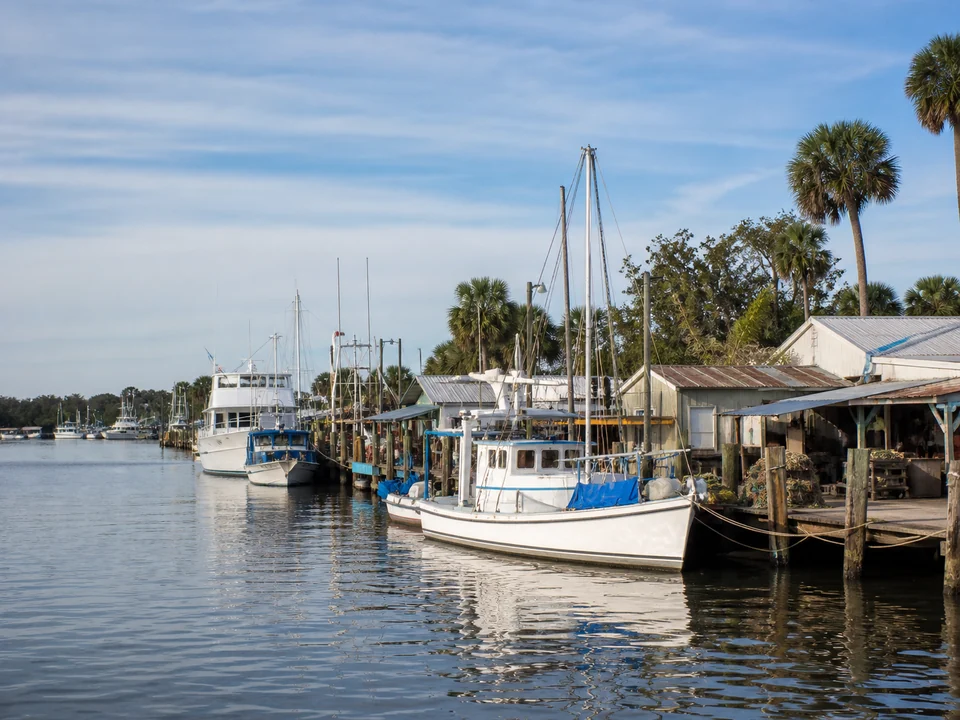
Anclote River, bayou, canal, or St. Joseph Sound
Tarpon Springs includes Anclote River, bayou, canal, St. Joseph Sound, and Gulf connected waterfront settings. Current, exposure, tidal range, navigation, shoreline form, vessel access, and working space can differ among them, so the property setting must lead the discussion.
Local shoreline choices depend on the actual setting
City planning material recognizes varied shoreline environments and management approaches. A protected bayou edge, a canal wall, an Anclote River bank, and a Sound facing property should not be treated as interchangeable when evaluating seawalls, docks, lifts, erosion, or access.
Frame the Tarpon Springs service question
River and Sound exposure can influence structural and shoreline questions; canals and bayous can add space and navigation constraints; docks depend on use, footprint, depth, and access; lifts depend on vessel, support, clearance, water, and electrical information. Describe the actual concern rather than choosing a method first.
Ask about both city inspections and Pinellas waterway review
Tarpon Springs publishes current building and inspection resources, while Pinellas Water and Navigation reviews specified waterfront work. Your contractor will confirm the property, existing records, and proposed scope, then determine which city, county, Florida, or federal requirements apply.
Official resources: Tarpon Springs building and development, Pinellas docks and waterfront review, and Florida environmental permitting.
Observe tidal and access conditions carefully
Record visible bank or wall movement, dock condition, lift behavior, tide related clearance, vessel approach, obstructions, and landward access from stable areas. Avoid swift current, slippery structures, unstable edges, and any wet or damaged electrical equipment.
Helpful details, if available
If available, keep the survey, prior permits and inspection records, plans, repair history, vessel details, and a description of the verified Anclote, bayou, canal, Sound, or other setting ready. Dated photos may be useful later if the professional requests them.
What affects Tarpon Springs waterfront work
Current, exposure, tides, navigation, access, shoreline conditions, structure, utilities, environmental review, engineering, city and county submissions, inspections, procurement, and weather can affect a proposal. A property specific scope comes first.
Explore related Tarpon Springs waterfront services
Anclote current, bayou or canal space, Sound exposure, tides, and navigation help identify whether the property needs shoreline, seawall, dock, or boat lift guidance. Read the guide for the affected structure.
Frequently asked questions
Which Tarpon Springs water setting applies to the property?
Distinguish the Anclote River, a bayou, a canal, St. Joseph Sound, or another Gulf connected setting. Current, tides, exposure, navigation, shoreline form, vessel access, and working space change across those waters.
What should I observe before a Tarpon Springs waterfront evaluation?
From stable areas, record current, tide related clearance, visible bank or wall movement, dock condition, lift behavior, vessel approach, obstructions, neighboring structures, and landward access.
What local review questions apply to Tarpon Springs docks or seawalls?
The contractor will review current Tarpon Springs inspection requirements, Pinellas Water and Navigation responsibilities, the parcel, proposed scope, and existing records, then determine whether Florida or federal review also applies.
How do current, tides, and navigation shape a Tarpon Springs proposal?
Current, exposure, tides, navigation, access, shoreline conditions, structure, utilities, environmental review, engineering, city and county submissions, inspections, procurement, and weather shape the scope.
Who performs the work?
Florida Waterfront Services manages your request and connection. The local professional evaluates current, tide, navigation, waterfront structures, and access, contracts directly with you, and performs any work you authorize.
Information reviewed August 2026. Permit and regulatory information was checked against current official sources.